
Modern Wood Flooring Solutions Myths Debunked: The Expert Guide for 2026 Homeowners
Understanding the Basics of Modern Wood Flooring Solutions
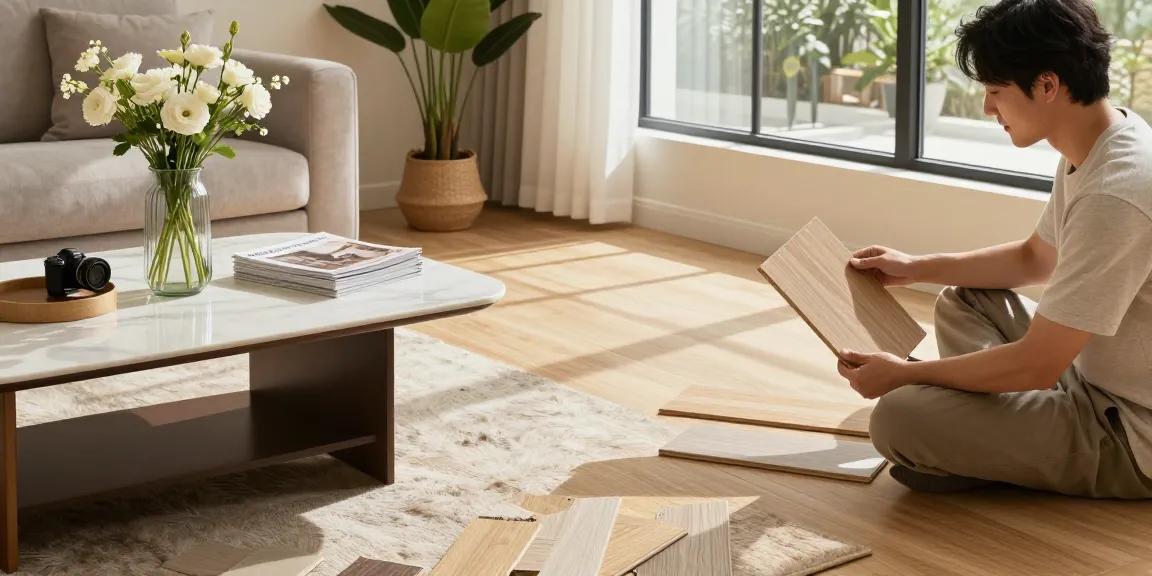
Choosing the right flooring can significantly elevate the look and feel of your home. Among the myriad options available, laminate and engineered wood flooring stand out as two of the most popular choices for UK homeowners. This guide will delve into the fundamental characteristics of these materials, helping you navigate the decision-making process based on your budget, lifestyle, and aesthetic preferences. When exploring options, modern wood flooring solutions offer insights you need to make an informed choice.
What Are Laminate and Engineered Wood Flooring?
Laminate flooring is a synthetic alternative that mimics the look of wood with a printed layer on top of high-density fiberboard. The layers are fused together, creating a product that is not only aesthetically pleasing but also practical. It is designed to be resistant to scratches, stains, and fading, making it suitable for busy households.
In contrast, engineered wood flooring consists of real wood on the surface, adhered to multiple layers of plywood. This construction gives engineered wood its natural appearance and enhances its stability, making it less prone to warping. Homeowners looking for authenticity often prefer engineered wood due to its genuine wood veneer.
Key Differences Between Laminate and Engineered Wood
The choice between laminate and engineered wood isn’t merely about aesthetics; it involves several structural and performance-related factors:
- Composition: Laminate is synthetic, while engineered wood is a mix of real wood and manufactured materials.
- Durability: Laminate is generally more durable and scratch-resistant than engineered wood.
- Moisture Resistance: Laminate offers better resistance to humidity, making it a practical choice for areas like kitchens.
- Cost: Laminate is typically less expensive than engineered wood, making it attractive for budget-conscious consumers.
Why Choose Modern Wood Flooring Solutions for Your Home?
Modern wood flooring solutions not only provide aesthetic appeal but also enhance the overall value of your home. They are versatile enough to suit various design preferences, from contemporary to rustic. Additionally, advancements in flooring technology have introduced improved durability and maintenance characteristics, making these solutions more appealing than ever.
Budget Considerations for Flooring Choices
Assessing Costs of Laminate vs. Engineered Wood
When budgeting for flooring, consider both initial costs and long-term investments. Laminate flooring can range from £10 to £30 per square meter, depending on the brand and quality. Engineered wood, on the other hand, usually costs between £30 and £70 per square meter due to its premium materials and manufacturing processes. Understanding these costs can help homeowners align their choices with their financial capabilities.
Long-Term Value of Your Investment in Wood Flooring
While laminate may seem like the most budget-friendly option upfront, engineered wood can represent a wiser long-term investment. Engineered wood not only offers a more authentic aesthetic but can also increase your home’s resale value. If you plan on staying in your home for a long time, the additional costs associated with engineered wood may provide better returns in the future.
Financing Options for Homeowners in 2026
As financial institutions adapt to changing market conditions, homeowners in 2026 have various financing options for flooring purchases. Many retailers offer financing plans that allow customers to pay over time. Additionally, government schemes aimed at energy efficiency and home improvement may assist homeowners in upgrading to quality flooring solutions. It’s essential to explore these options early in the decision-making process.
Performance and Durability: Which Is Better?
Comparing Resilience and Maintenance Needs
One of the most critical factors in choosing flooring is how it withstands everyday wear and tear. Laminate is engineered for high durability and is straightforward to maintain, requiring little more than regular sweeping and occasional mopping. Engineered wood, while slightly more challenging to maintain, can be kept in excellent condition with proper care, including refinishing when necessary.
Moisture Resistance in Kitchens and Bathrooms
Kitchens and bathrooms pose unique challenges when it comes to flooring. Laminate holds an edge in moisture resistance; however, engineered wood can still be an option if it is treated correctly and sealed appropriately. Homeowners should ensure that engineered wood flooring is used in well-ventilated areas to avoid moisture buildup.
Longevity: How Long Will Your Flooring Last?
Generally, laminate flooring can last anywhere from 15 to 25 years, depending on the quality and care it receives. Conversely, engineered wood has the potential to last 30 years or more, especially with proper maintenance and refinishing. Homeowners should consider their long-term plans when making a choice, as longevity can significantly influence overall satisfaction.
Design Aesthetics: Enhancing Home Appeal
Choosing the Right Style to Match Your Home Decor
Both laminate and engineered wood come in a variety of styles, colors, and finishes, enabling homeowners to find the perfect match for their decor. Laminate has advanced significantly in terms of design, providing realistic wood looks that can fit almost any modern home. Engineered wood, however, retains a more authentic character, with natural grains and textures that can add warmth and sophistication to your living space.
Color and Texture Trends for 2026
As we move into 2026, current decorating trends favor lighter woods, such as ash and oak, while darker shades are used as accents. Textured finishes that imitate natural wood grains are also gaining popularity, adding depth and interest to flooring. Homeowners should consider these trends when selecting their flooring style to ensure their choices remain timeless.
Creating a Cohesive Look with Modern Wood Flooring
Choosing one type of flooring throughout your home can create a cohesive and seamless look. Mixing textures and colors can introduce visual interest, but it requires a careful approach to maintain harmony throughout your living spaces. Homeowners are encouraged to consult with design experts if they are unsure about how to achieve the desired outcome.
Installation and Maintenance Tips for Homeowners
DIY Installation vs. Professional Help: What to Consider?
Deciding between DIY installation and hiring professionals can significantly impact your project. Laminate flooring often features click-lock designs, making it more accessible for homeowners to install without assistance. Engineered wood may require a more experienced hand, especially to ensure proper fitting and sealing. Assess your skills honestly and determine whether the cost savings of DIY outweigh the potential pitfalls.
Best Practices for Maintaining Wood Flooring
Regardless of which flooring option you choose, adhering to regular maintenance practices is essential for longevity. For laminated surfaces, simple cleaning routines with dry mops or slightly damp cloths are sufficient. Engineered wood may require a more extensive maintenance regimen, including periodic refinishing and careful use of moisture when cleaning. Homeowner diligence in care can significantly prolong the life of both flooring types.
Future Trends in Flooring Installation Techniques
The flooring industry is seeing innovative installation technologies, including self-leveling systems and advanced adhesives that simplify the installation process. These advancements make it easier for homeowners to achieve professional-quality results while potentially reducing labor costs. Future trends may also include smart flooring that incorporates technology for monitoring usage and wear.
Frequently Asked Questions
What is the most cost-effective flooring option?
Typically, laminate flooring is considered the most cost-effective option due to its lower initial prices and ease of installation. However, engineered wood provides better long-term value, especially for homeowners planning to stay in their homes for an extended period.
How do I choose between laminate and engineered wood?
Your choice should depend on your budget, lifestyle, and design preferences. If you require a budget-friendly, easy-to-maintain option, laminate may be best. However, if authenticity and long-term value take precedence, engineered wood is the superior choice.
What maintenance do modern wood flooring solutions require?
Laminate flooring typically requires minimal maintenance beyond regular sweeping and occasional damp mopping. In contrast, engineered wood may need periodic refinishing and more careful cleaning to maintain its appearance and longevity.
Are modern wood floors suitable for all rooms?
Both laminate and engineered wood can be suitable for most rooms; however, caution should be exercised in moisture-prone areas like bathrooms and basements. Proper sealing and ventilation can help mitigate potential damage to engineered wood in these spaces.
How can I enhance the longevity of my wood flooring?
To enhance the lifespan of your wood flooring, maintain a regular cleaning routine, avoid excessive moisture, and address spills immediately. For engineered wood, consider periodic refinishing to restore its original luster and protect against wear and tear.