
Mastering the Mix Board: 5 Proven Strategies for Creative Teams in 2026
Understanding the Mix Board Concept
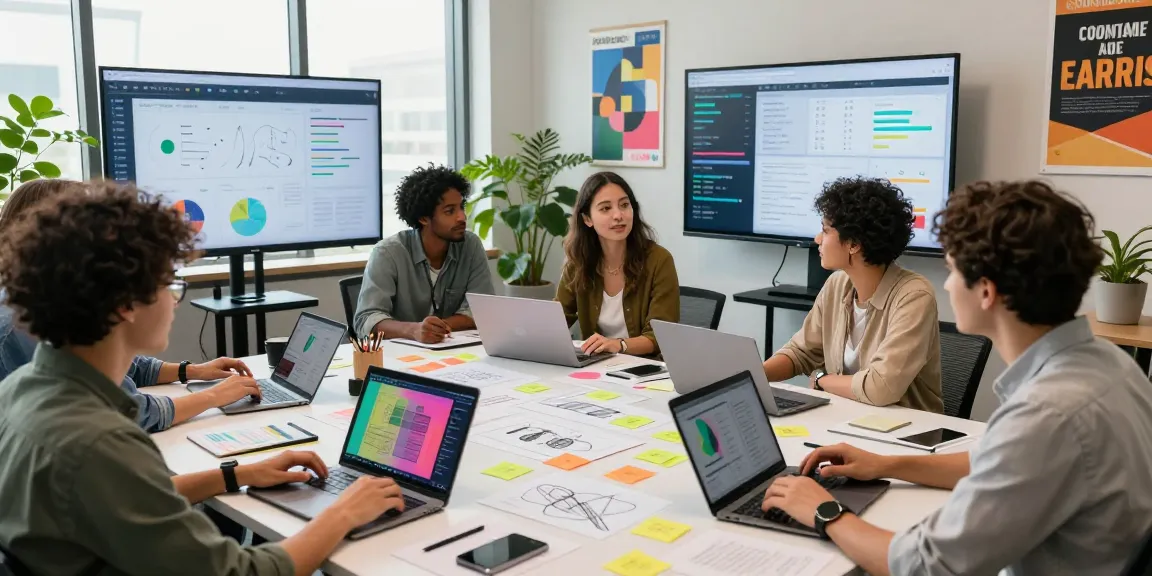
In the rapidly evolving landscape of collaboration tools, the concept of a mix board has emerged as a game-changer for creative teams across various industries. A mix board, essentially a collaborative digital canvas, allows teams to brainstorm, visualize, and refine ideas simultaneously. With the increasing demand for agile workflows and real-time collaboration, understanding what a mix board is and how it integrates into modern-day projects is essential for any creative professional looking to enhance productivity and innovation. When exploring options, mix board solutions can provide comprehensive insights that empower teams to unleash their full creative potential.
What is a Mix Board?
A mix board is a digital platform that facilitates the merging of various ideas and concepts into a cohesive visual format. Typically utilized in creative environments, these boards support collaborative brainstorming sessions, project planning, and storytelling through visual elements. They offer tools for integrating text, images, and other multimedia resources, allowing teams to present their thoughts in a structured manner. With the integration of artificial intelligence, modern mix boards can generate design variations, suggest enhancements, and even automate the organization of information, leading to a more streamlined creative process.
The Evolution of Visual Collaboration Tools
The journey of visual collaboration tools has been marked by significant technological advancements. From early digital whiteboards to sophisticated AI-driven platforms, the goal has always been the same: to enhance teamwork and creativity. Initially, these tools were static and limited in functionality, serving primarily as virtual meeting spaces. However, with the advent of AI and generative design capabilities, today’s mix boards offer dynamic features that adapt to user behavior, enabling real-time updates and collaboration that reflect the fluid nature of creative projects.
Why Teams are Adopting Mix Boards in 2026
The adoption of mix boards has surged in recent years, driven by remote work trends and the need for flexibility in project management. Creative teams are increasingly recognizing the value of visual collaboration tools in enhancing their workflows. A mix board allows for not only the generation of ideas but also the easy navigation through them, which is essential in today’s fast-paced work environments. Additionally, the ability to collaborate across different time zones without losing context has made mix boards indispensable for global teams.
Setting Up Your Mix Board for Success
Setting up your mix board effectively is crucial for maximizing its potential. By customizing templates and integrating AI tools seamlessly into your workflow, you can create an environment that fosters creativity and efficiency.
Choosing the Right Templates for Your Project
Templates can significantly enhance the user experience on a mix board. Selecting the right templates tailored to your project goals can help your team visualize concepts more readily. Whether you’re developing marketing campaigns, planning educational content, or brainstorming startup ideas, templates designed for specific scenarios can streamline the initial stages of your project. Many platforms offer pre-designed options that can be customized further, ensuring that your mix board is aligned with your specific needs and branding.
Integrating AI Tools into Your Workflow
Integrating artificial intelligence tools into your mix board can revolutionize the way your team works. AI can assist in generating design concepts, offering suggestions based on existing inputs, and even automating repetitive tasks. This allows team members to focus on higher-level creative thinking rather than getting bogged down in logistics. Many mix board applications incorporate AI features that can analyze team dynamics and suggest optimal ways to collaborate, making it easier to tap into each member’s strengths.
Best Practices for Visual Organization
Visual organization is key to effective collaboration on a mix board. Implementing best practices such as color coding, grouping related ideas, and maintaining a clear hierarchy of information can enhance comprehension and retention. Encourage team members to use annotations and comments to provide context for their ideas, helping to facilitate discussions and drive the creative process forward. Remember that a well-organized board reflects clarity in thought and enhances engagement among team members.
Engaging Your Team with the Mix Board
Engaging your team effectively is essential for maximizing the benefits of a mix board. By adopting interactive techniques and fostering collaboration, you can ensure that every voice is heard and every idea is explored.
Techniques for Effective Brainstorming Sessions
Brainstorming sessions can become more effective when using a mix board. Techniques such as mind mapping, round-robin ideation, and creative prompts can inspire deeper thought and engagement. Encourage team members to contribute ideas independently before coming together to discuss them. This not only democratizes the brainstorming process but also enriches the pool of ideas, leading to more innovative solutions.
Encouraging Collaboration Across Distances
Remote work can pose challenges to collaboration, but mix boards offer solutions that bridge geographical gaps. Utilize features that allow for real-time collaboration, such as live chat, video integration, and comment threads. Establishing a routine for checking in on the board can help maintain momentum and accountability among team members. Additionally, consider scheduling regular updates to align on progress and adapt the project direction as needed.
Utilizing Feedback Loops for Continuous Improvement
Incorporating feedback loops into your mix board usage can lead to continuous improvement in both the process and the output. Regularly solicit feedback from team members regarding the effectiveness of the mix board itself and the ideas being generated. This creates a culture of open communication and encourages team members to contribute actively to the evolution of both their creative concepts and the way they work together.
Real-World Applications of Mix Boards
Mix boards have found utility in a variety of real-world scenarios, showcasing their versatility across sectors. Here are some of the most impactful applications observed in recent years.
Case Studies of Successful Campaigns
Many brands have turned to mix boards for planning and executing successful marketing campaigns. For instance, a global beverage company utilized a mix board to consolidate input from multiple departments—marketing, design, and retail—allowing for a cohesive campaign that resonated across different channels. This collaborative effort resulted in a campaign that not only met but exceeded their engagement goals, showcasing how essential a mix board can be in aligning diverse perspectives.
Mix Boards in Education and Research
In educational settings, mix boards serve as valuable tools for project-based learning and research collaboration. Students can work together on complex projects, allowing them to visualize their ideas and share their insights fluidly. Educators can also use mix boards to develop curricula collaboratively, adapting materials and strategies based on collective input. This creates a more engaging and participative learning environment, essential for fostering critical thinking skills.
Adapting Mix Boards for Startups and Innovation Hubs
Startups and innovation hubs benefit significantly from the use of mix boards as they often require agile development processes. These boards support early-stage concept exploration by allowing teams to map out user flows, customer journeys, and product iterations. By leveraging a mix board, startups can iterate quickly on ideas, gather feedback, and pivot as necessary, all crucial in the fast-paced startup landscape.
Future Trends in Mix Board Usage
As we look ahead, several trends are emerging that will shape the future of mix board usage in creative industries. Staying ahead of these trends can help teams remain competitive and effective.
Technological Advancements to Watch For
The technological landscape is continually evolving, and advancements such as augmented reality (AR) and virtual reality (VR) are on the horizon for mix boards. These technologies could provide new ways for teams to interact with their ideas, moving beyond traditional screens to immersive environments where concepts can be manipulated and explored in three dimensions. This potential transformation could redefine collaboration, making it even more engaging and interactive.
How Remote Work is Shaping Collaborative Tools
The rise of remote work has significantly influenced the development of collaborative tools. As more teams operate outside traditional office settings, tools like mix boards will increasingly prioritize features that enhance online collaboration, such as integrations with other remote work tools, enhanced security protocols, and improved user interfaces. This shift will allow teams to work together seamlessly, regardless of their physical locations.
Preparing for the Future: Skills for 2026
To excel in the landscape of 2026, creative professionals will need to adapt their skill sets to leverage mix boards effectively. This includes developing strong collaborative skills, being comfortable with AI tools, and mastering visual communication techniques. Workshops and training sessions aimed at enhancing these competencies will become increasingly important as the reliance on mix boards grows across industries.
What are the benefits of using a mix board?
Using a mix board comes with several advantages, including enhanced creativity, improved collaboration, and streamlined project management. Teams can explore ideas more freely without the constraints of traditional brainstorming methods, leading to innovative solutions that might not have surfaced otherwise. The visual nature of mix boards also aids in retaining information and understanding complex concepts more clearly.
How to choose the right mix board tool for my team?
Selecting the right mix board tool requires assessing your team’s specific needs, workflows, and collaborative styles. Consider factors such as the ease of use, integration capabilities with existing tools, and support for real-time collaboration. Additionally, exploring user reviews and trial options can help your team identify the best fit for your collaborative efforts.
Can mix boards enhance creativity in remote teams?
Absolutely! Mix boards provide a shared space for remote teams to explore their ideas visually, encouraging creative expression and collaboration despite the physical distance. The ability to organize and manipulate concepts dynamically can stimulate creativity and inspire team members to think outside the box.
What industries benefit the most from using mix boards?
While many industries can benefit from using mix boards, those in creative sectors such as marketing, design, education, and technology often find the most value. These industries require frequent brainstorming and collaboration, making mix boards an ideal tool for facilitating innovative workflows.
How to integrate AI with a mix board effectively?
To effectively integrate AI with a mix board, identify specific tasks where AI can enhance creativity or streamline processes. Use AI tools that can generate ideas, suggest layouts, or provide analytics on team interactions. Regularly revisiting and adjusting the AI’s outputs based on team feedback can also ensure that the integration meets evolving project needs.